Chasing Kaleidorider Combat Guide
Semi-real-time card battles, Toughness breaks, and 100 km/h Grand Assault bursts.
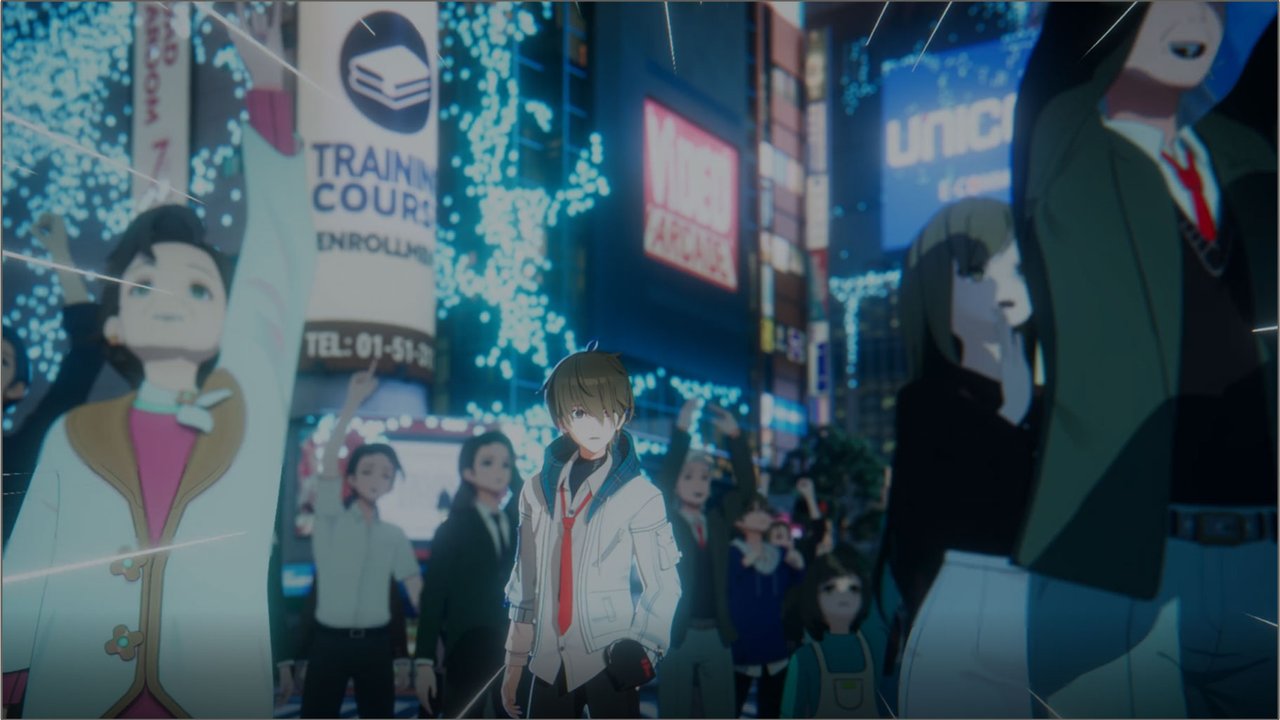
Combat in Chasing Kaleidorider is a semi-real-time card battler built around four Kaleido Riders, a shared Energy pool, Motorbike support, and a speedometer that climaxes in Grand Assault at 100 km/h. You remain the NAVIGATOR with Kaleido Vision; Riders execute the lane pressure while you decide when to break Toughness, when to spend Energy, and when to unleash the burst. This guide unpacks those systems and compares Field Purge / Purification, City Patrol, and Pest Buster / Bug Extermination so your practice time matches the mode’s goals.
If you still need account setup, Favor gates, or Seaphone priorities, read Getting Started first. For who to raise, pair this page with the Tier List and Players. Romance timing that unlocks combat talents sits on Dating & Romance.
Core loop
- Deploy up to four Riders with Motorbikes that contribute HP / ATK / DEF and a Lead Skill.
- Play cards that spend shared Energy to attack, defend, buff, or shred Toughness.
- Watch lanes and enemy telegraphs; Counter Damage punishes greedy commits.
- Crack Toughness to open a vulnerable window.
- Build the speedometer toward 100 km/h and fire Grand Assault when the window and Energy align.
- Reset into cleanup cards, then repeat until the Hysteria pack collapses.
Hysteria (Kanju in some KR sources) is the enemy type born from the Sea of Unconsciousness around Terminus. Visual spectacle matters, but the math underneath is still Energy economy plus break timing.
Shared Energy
Energy is shared across the team, not siloed per Rider. That design rewards staggered spends: if every Rider dumps their highest cost card on the same beat, you brick the next turn of defense. Practical habits:
- Keep at least one low-cost card available for emergency blocks or Toughness ticks.
- Curve Lead Skills so Motorbike effects land when Energy is already reserved for follow-ups.
- In longer City Patrol runs, track Energy famine after multi-wave modifiers—greed early, starve later.
Energy management is the quiet skill that separates clean Field Purge sweeps from potion-heavy stumbles.
Toughness break
Toughness is the shell that keeps Hysteria from taking full damage. Breaking it is mandatory on bosses and strongly recommended on elites. Tools that look “weak” on raw ATK often excel as breakers; tools that look flashy often waste Energy on unbroken targets.
Break then burst is the default rule. Grand Assault into a full Toughness bar feels dramatic and still underperforms. After a break, dump high-multiplier cards and the 100 km/h finisher while the window lasts, then rebuild Toughness pressure for the next cycle.
Grand Assault and the speedometer
The speedometer is a fight-long momentum meter. Reaching 100 km/h unlocks Grand Assault, the team’s signature burst. Use it as a planned button, not a panic mash:
- Field Purge: Practice firing once per stage so animation length and Energy leftovers become familiar.
- City Patrol: Save Grand Assault for elite rooms or boss nodes when modifiers spike.
- Pest Buster: Align Grand Assault with Toughness break and any boss stun / down phase the telegraph offers.
Wasting Grand Assault on the last hit of a nearly dead trash pack teaches nothing. Holding it forever during a wipe-risk boss teaches even less. Fire it on purpose.
Counter Damage and lanes
Expect lane-based positioning and Counter Damage when you attack into prepared enemies. Overextending a Disrupter into a counter window can delete your Energy plan for the next ten seconds. Read cast bars, swap pressure to a safer lane, or play a Protector card before the greedy swing.
Lanes also matter for Lead Skill targeting—some Motorbike skills want a specific front or back presence. When a clear feels unfair, ask whether you lost the lane battle before you ask whether your ATK stat was low.
Elements: Passion, Reason, Calm, Faith
Four elements structure matchups: Passion, Reason, Calm, and Faith. Build teams that cover at least two elements early and aim for three once your roster allows. During Doki Test you only have 16 Riders, so perfect tetra-coverage may be impossible—plug the holes that the current chapter’s Hysteria favors instead of forcing a fantasy endgame grid.
Element advantage will not replace Toughness breaks. It multiplies good decisions; it does not erase bad Energy curves.
Careers: Disrupter, Harmonizer, Protector
- Disrupter — pressure, break assist, and tempo swings. Ideal for opening Toughness and forcing mistakes.
- Harmonizer — enablers, buffs, and cohesive team output. Often the difference between a mediocre Grand Assault and a fight-ending one.
- Protector — survival, counters to Counter Damage, and lane stability. Essential when Pest Buster telegraphs hit hard.
A balanced four-Rider squad usually mixes careers instead of quad-Disrupter greed. Check Players for how individual Riders lean, and the Tier List for mode-specific notes once community clears stabilize.
Motorbikes and Lead Skills
Motorbikes are not cosmetics. They supply HP / ATK / DEF and a Lead Skill that can define a rotation. Because bike banners are the expensive Seaphone layer, upgrade the bike that enables your best Toughness or Grand Assault plan before spreading parts evenly across four mediocre frames. During no-monetization betas, earn bikes through play and still apply the same prioritization logic.
Mode comparison
Field Purge / Purification
Stable farming stages. Best place to learn Energy curves, practice one Grand Assault per clear, and gather mats / Favor gifts. If your clear time is long, fix Toughness tools before grinding higher difficulties.
City Patrol (roguelike)
Branching rooms, modifiers, and escalation. Excellent for decision training—when to spend Energy, when to heal, when to hold Grand Assault. Poor as your only XP source if core Riders lack levels; mix with Field Purge.
Pest Buster / Bug Extermination
Boss-focused encounters. Bring break tools, a Protector plan for telegraphs, and a Grand Assault aligned to the vulnerability window. Fail once for information, then rebuild the team instead of repeating the same broken curve.
Story chapters (Prequel, Campus, Band) reuse these combat rules inside narrative staging. Systems knowledge transfers; spoilers do not belong in a mechanics guide.
Practice checklist
- Trigger Grand Assault deliberately in three Field Purge clears.
- Break Toughness before your highest damage card on a Pest Buster attempt.
- Finish one City Patrol without emptying Energy on room one.
- Field a team with at least two elements and two careers.
- Confirm Favor-gated talents you need are unlocked via Dating & Romance.
- Recheck beta limits on Doki Test and Updates.
Common combat mistakes
- Bursting before Toughness break.
- Spending the whole shared Energy bar on offense with no defensive card left.
- Ignoring Lead Skills while chasing raw ATK stats.
- Building four Riders of one element because the banner art looked cool.
- Treating City Patrol deaths as account failure instead of lab data.
- Neglecting Favor talents that quietly add combat nodes.
Master the break-and-burst rhythm and every mode becomes readable. Terminus will keep raising the stakes; your job as Navigator is to keep the LIMBO BUS crew on tempo—Energy steady, Toughness cracked, speedometer honest at 100 km/h when it counts.
Frequently Asked Questions
Quick answers for Navigators preparing for launch and the Doki Test.
What is Grand Assault in Chasing Kaleidorider?
Grand Assault is the team burst unlocked when the speedometer reaches 100 km/h. Fire it after Toughness breaks, especially on Pest Buster bosses.
How does shared Energy work?
All four Riders draw from one Energy pool. Stagger expensive cards and keep a low-cost option for defense or Toughness ticks.
What are the elements and careers?
Elements are Passion, Reason, Calm, and Faith. Careers are Disrupter, Harmonizer, and Protector. Cover multiple elements and mix careers for stable clears.
Which mode should I farm first?
Use Field Purge / Purification for steady mats and practice. Add City Patrol for roguelike decision training and Pest Buster for boss telegraphs.
Do Motorbikes matter in combat?
Yes. Bikes provide HP, ATK, DEF, and Lead Skills that shape rotations. Prioritize the bike that enables your break or burst plan.